


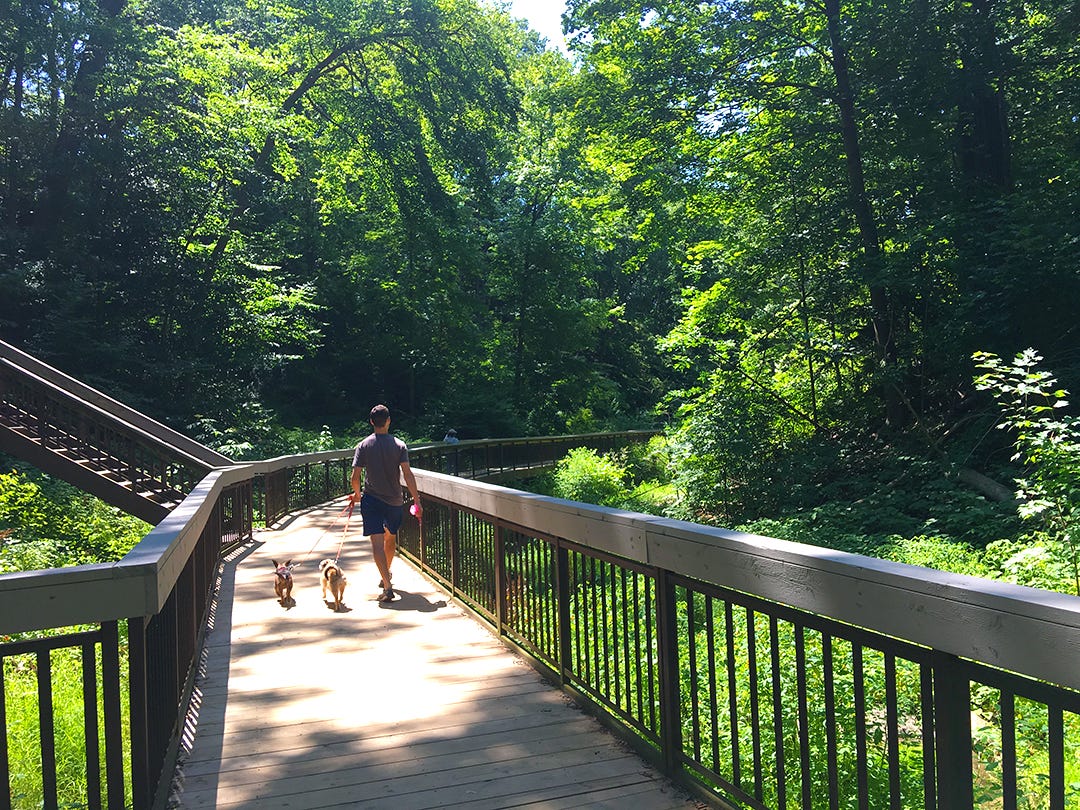
It can be hard to define because it means different things to different people. Below are four pillars of self-care that can be considered and implemented in daily practice.
1. Self-care is thinking about and practicing self-compassion.
Simply put, embracing a responsibility to treat yourself with care and concern, just like the way you treat someone you love with compassion and understanding.
It is easy to offer empathy to others and hard to offer it to ourselves.
How do you practice self-compassion?
One example is to release the grip on the relentless “should” that comes up when something does not work out in a predicted way. I should have done that, I shouldn’t have said this. We are not mind readers or future predictors.
Mistakes are normal and can be a doorway to a new perspective and a new path. We can extract the learning while still being kind.
2. Self-care is self-discipline.
It is hard to find motivation to exercise, eat healthy, sleep adequately, and set a schedule. They are not always inherently satisfying. At the same time, these four building blocks are key regulators of health, thus serving a higher purpose.
Optimal health and mental health help us work on goals, participate meaningfully in tasks and show up for people. Finding purpose to do something where the motivational impacts may be delayed takes self-discipline.
Taking care of your mind and body in the long run is worth it.
3. Self-care is self-preservation.
Have boundaries with work, life and yourself. Researcher and social worker Brené Brown, talks about boundaries in a simple way that sticks: what is okay and what is not okay. Boundaries that give too much away can leave us feeling depleted, burnt out and taken advantage of. Boundaries that are too rigid can deprive us of taking risks and diminish our capacity for empathy.
Balance happens when we can act as flexible and insightful gatekeepers to our time, energy and acts of service. You are the best consultant and enforcer to say what is okay and not okay for you; try to look inwards for a quiet moment and ask yourself.
Don’t say yes when inside you’re shouting no.
4. Self-care is finding what ignites joy and invites pleasure.
This should not be confused with overindulgence. Joys and pleasures can be the small, non-highlight reel moments of life. They can also be goals related to work, relationships and life.
Adults, just like children, get fed and nourished with play and having creative goals to set and work towards. Leaving our comfort zones at times, which is not always pleasant, can be necessary for growth. Stretching the mind, body and soul can allow us to live out our full potential or as close to it as we can envision.
What is it, big or small, that sparks enjoyment, passion or potential in you?
First published in The Taddler Fall 2020, Mental Health Corner by Taddle Creek Family Health Team. Republished with permission from the Author, Alexandra Kobayashi, Social Worker, Toronto.
Canuck Wellness
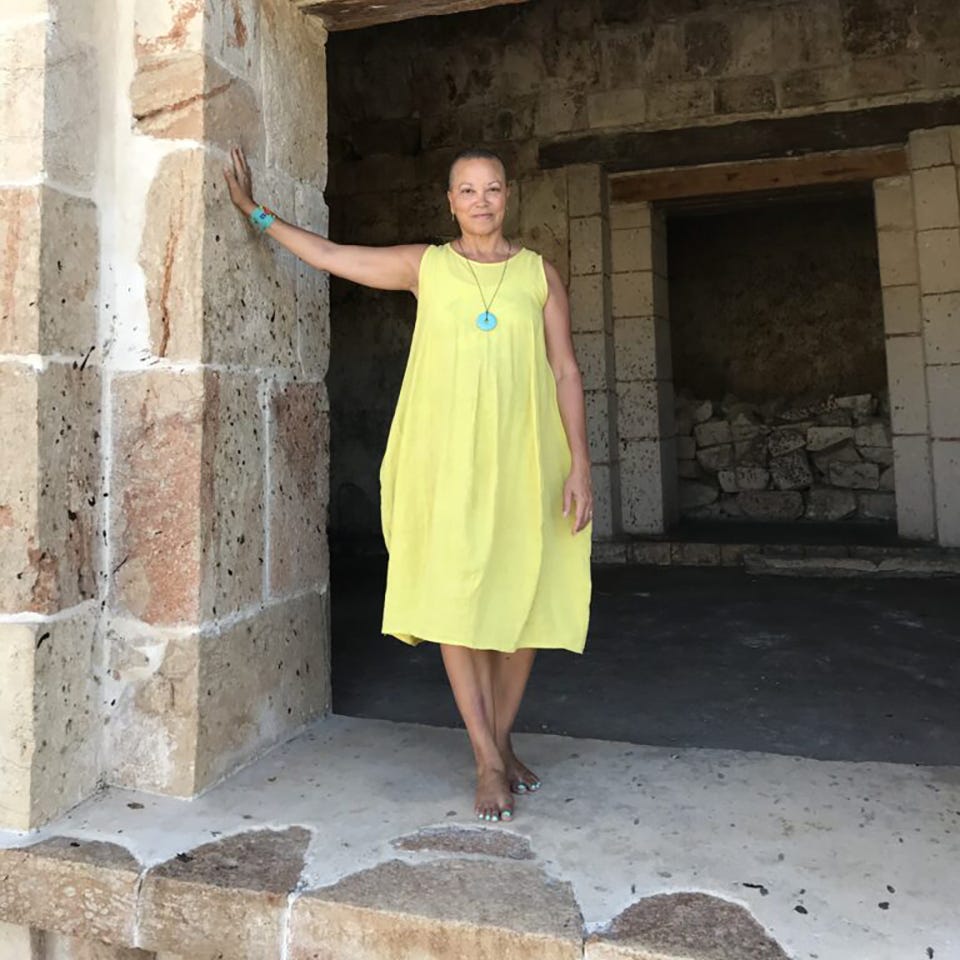
Energetic Presence Ann-Marie Ahye
Contemplative psychotherapy, relational somatic therapy, energy balancing, mindfulness meditation, mindful yoga, and international wellness retreats.
Operating at the holistic intersection of Western psychotherapy and Eastern mindfulness traditions, this transformative practice helps individuals heal emotional blocks and realign with their true nature. The practice is anchored in the profound personal journey of its founder, Ann-Marie Ahye, who pivoted from a career in architecture to a life dedicated to mapping the human psyche and somatic landscape. Drawing from over forty years of experiential learning, Ann-Marie guides clients past superficial talking points and into the raw, felt sensations where deep emotional processing occurs.
Whether through localized individual sessions, immersive workshops, or signature international wellness retreats in destinations like Costa Rica, Tobago, and Bali, Energetic Presence provides a space designed to soothe the nervous system, dismantle unyielding ego masks, and unlock long-stifled vitality.
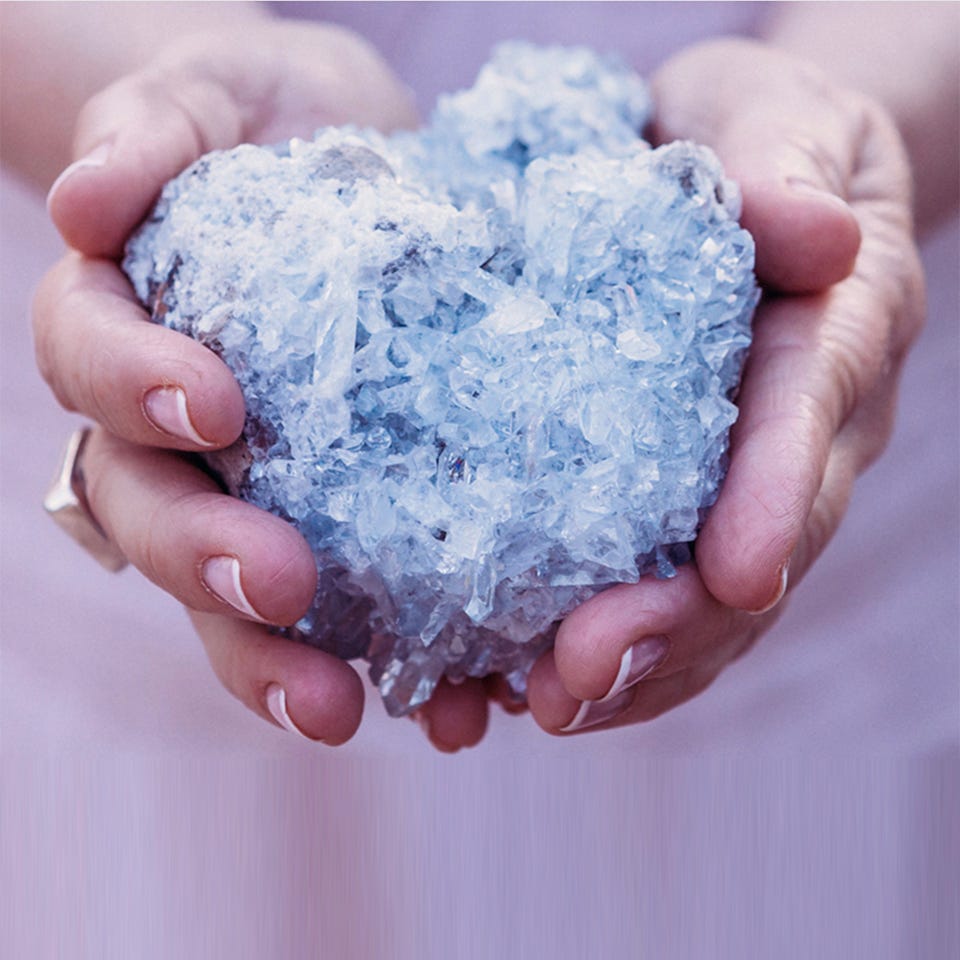
Soul Healing School Sheri Fogarty
Holistic Medicine Practitioner in Central Toronto promoting a healthier, more fulfilled lifestyle using natural therapies.
Sheri Fogarty is a Licensed Holistic Practitioner, Wellness Coach and Reiki Master. She offers natural, hands-on healing and meditation therapies to individuals and corporate clients seeking to promote a healthier, more satisfying lifestyle.
Her practice includes Reiki, meditation, yoga, aromatherapy, shiatsu, spiritual coaching and chakra balancing. These treatments are well known to reduce stress, promote happiness and create an immense sense of well-being.
Corporate Wellness Programs, Workshops and Coaching in person, online or by phone.

BROWN GIRL OUTDOOR WORLD Demiesha Dennis
Curated seasonal excursions including fly-fishing, hiking, stand-up paddleboarding, ice-fishing, and cross-country skiing, alongside outdoor education and community-building workshops.
This vital advocacy and adventure community creates intentional, visible, and safer community spaces for Black, Indigenous, and anti-racist racialized women to experience the transformative joy of outdoor adventure.
The initiative was born out of the lived experience of its founder, Demiesha Dennis, who immigrated to Canada from Jamaica at age 18. Having spent her childhood climbing trees and exploring the outdoors with boundless curiosity, Dennis found a profound lack of diversity in Canada’s parks and outdoor marketing campaigns. Her early Canadian angling adventures were defined by fierce determination. Demeisha taught herself to fish on the shores of Toronto's Humber River using a makeshift rod crafted from a stick, crochet thread, and a safety pin.
In 2018, she launched this community to bridge the gap between marginalized individuals and the wild. Today, the organization curates beautifully supported, gear-accessible, and psychologically safe expeditions that empower women of colour and queer adventurers to push past their comfort zones and cultivate a lifelong, reciprocal relationship with the Canadian wilderness.